Have you ever felt jealous watching coders effortlessly craft complex scripts with a simple sentence? Or wondered how someone turns an idea into functional code almost magically? Welcome to the era of Vibe Coding. An AI-powered coding tool using natural language tools like ChatGPT, GitHub Copilot, and others. If you’ve ever had a great app idea but felt stuck because coding seemed too complex or time-consuming, this blog post is for you. I’ve broken down everything you need to know about Vibe Coding so you can finally bring your ideas to life, without getting lost in the technical mess.
In today’s post, we are going to check out What is Vibe Coding?, from how it works, to its future, and common misconceptions. Without further due, let’s get started!
What is Vibe Coding?
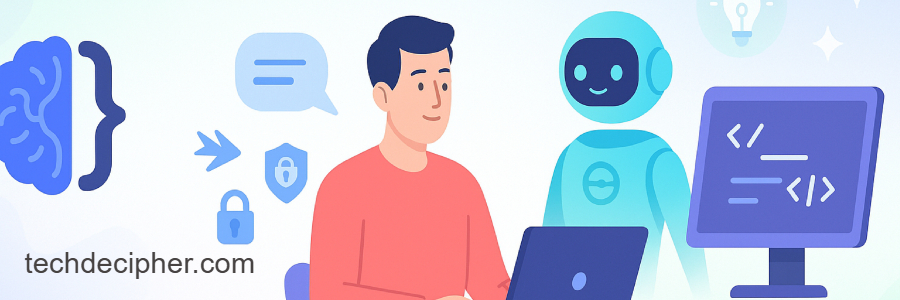
Vibe Coding is about harnessing artificial intelligence(AI) to convert natural human language directly into code. You write what you think in plain English or any language, really, and AI helps you shape it into functioning code. Think of it as having an AI coding buddy who understands your ideas in plain English or your language of choice and translates them into real, functional code instantly. It’s basically coding with your thoughts where you simply describe what you want, and tools like ChatGPT or Copilot turn it into real code, which can be your website, apps, and much more.
How does Vibe Coding work?
Here’s a quick breakdown on how vibe coding works.
- Input Your Idea: You simply describe what you want your code to do, using everyday language.
- AI Interpretation: Tools like ChatGPT, GitHub Copilot, and Amazon CodeWhisperer interpret your instructions, referencing extensive training data and coding repositories.
- Instant Code Generation: The AI generates syntactically correct, ready-to-use code snippets in your preferred programming language.
You essentially shift from typing line-by-line code to overseeing and refining AI-generated outputs. It’s like having an intern who codes faster than you ever could (and never takes coffee breaks).
How Vibe Coding Differs from Traditional Coding?
Common Misconceptions About Vibe Coding
You’ve probably heard critics dismiss Vibe Coding as mere “AI autocomplete,” but let’s debunk a few myths.
- AI does all the work: AI assists, but you still guide and refine the output. Your expertise remains essential.
- Only beginners use it: Even senior developers benefit immensely, saving time on repetitive tasks to focus on high-level architecture.
- It will replace developers: Not true—AI enhances human skills, improving productivity and innovation, not replacing creativity and strategic thinking.
- It’s only for designers: Nope. You don’t need to be a Figma wizard. With AI, you can start from scratch, even with zero design background.
Why Vibe Coding Is Attracting the Next Generation of Developers?
Vibe Coding is catching the attention of new-age developers because it perfectly matches how they think and work. It offers instant gratification by providing quick feedback and generating code almost instantly, which keeps the momentum going. It also makes coding more accessible, especially for beginners, by turning complex tasks into simple, prompt-based actions. Most importantly, it fuels innovation, allowing developers to rapidly prototype, test ideas, and bring creative visions to life without being slowed down by syntax or boilerplate code.
Skills You Need, to Become a Vibe Coder
While AI makes coding faster and easier, becoming a true vibe coder means developing a few essential skills. Clear communication is key—you need to describe what you want in plain language so AI tools can understand and generate the right code. Problem-solving is just as important, since you’ll often need to refine or fix what the AI produces. A basic grasp of coding languages like Python, JavaScript, or SQL helps you collaborate more effectively with AI, especially when tweaking outputs. Lastly, adaptability is crucial. Being open to trying different tools and finding what fits your workflow will set you apart as a modern, AI-ready developer.
How to start vibe coding? (with tools)
Ready to jump in? Access the platform of your choice, start typing your ideas, and bring them to life. Here’s your starter pack.
- GitHub Copilot: Integrated directly into your IDE (VSCode, JetBrains), ideal for real-time code suggestions.
- ChatGPT: Perfect for brainstorming, generating initial drafts of complex logic, or explaining code snippets.
- Amazon CodeWhisperer: Excellent for AWS-specific coding tasks, integrating seamlessly with cloud workflows.
- Google Bard & Gemini: Emerging tools offering advanced AI capabilities tailored specifically to developers.
- Replit: A standalone booming platform that helps you vibe code and generate the output on the go.
How Vibe Coding can shape your career?
The future of Vibe Coding is not just promising, it’s reshaping what a tech career looks like. In an AI-first world, pure technical skills alone won’t be enough. What sets you apart is your ability to give creative direction, tell compelling product stories, and delegate smartly to AI. Vibe coders aren’t just developers, they’re becoming experience architects, product stylists, and multi-skilled creators who build fast without burning out.
For example, frontend devs are evolving into experience designers, freelancers are becoming brand-driven stylists, and startup engineers can now handle multiple roles efficiently. With AI doing the heavy lifting, developers are twice as productive and far more focused on what really matters—building beautiful, user-friendly products fast. Vibe coding isn’t just a trend; it’s the ultimate cheat code for standing out in the tech world.
Courses for Vibe Coding
To get ahead, consider these excellent resources.
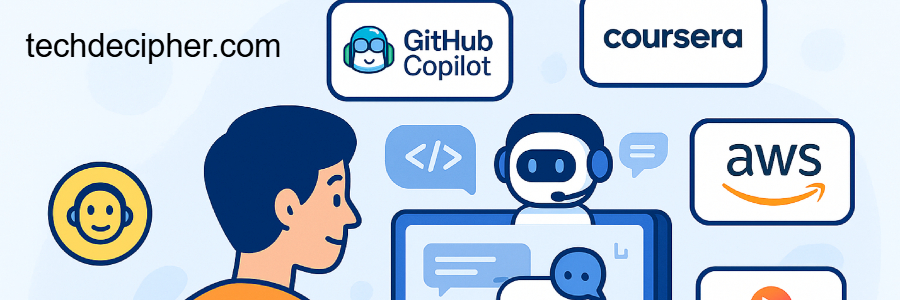
- GitHub Copilot Mastery (Udemy)
- AI-Assisted Development with ChatGPT (Coursera)
- Integrating AI Tools into Development Workflows (Pluralsight)
- Amazon CodeWhisperer Crash Course (AWS Skill Builder)
These courses blend practical coding skills with essential strategies for leveraging AI effectively.
Conclusion
Vibe Coding is more than just a trend, it’s a major leap forward, reshaping how we interact with technology. By partnering with AI, you can elevate your coding efficiency, accelerate your career growth, and stay at the forefront of innovation. This concludes Everything you need to know about Vibe Coding! What are your thoughts on Vibe Coding? Do let us know in the comments section below. If you wish to know what other best AI tools that you can use, check the guide here for more. If you need any help or have any suggestions to make, then do reach out via the contact page here. I also provide services to help you with your issues, which you can find here. Happy Kiribati Independence Day!