
If you’ve ever tried sending a large video on WhatsApp or joining a Zoom call while traveling, you already know the pain of shaky connections. We all crave faster, smoother internet, the kind where you don’t have to pray before hitting that “Join Meeting” button. That’s where 5G came in, and honestly, it has already changed the way our devices talk to each other. But then comes the buzzword that’s slowly sneaking into headlines. The tech world is already buzzing about 6G. So let’s break it down, 5G vs 6G and what do they bring to the table, and more!
In today’s post, we are going to check out the difference between 5G and 6G, which one is better, and its availability. Without further ado, let’s get started!
Difference Between 5G and 6G
5G
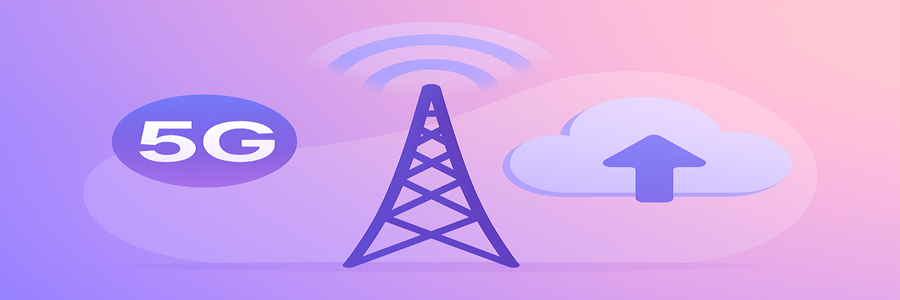
5G is here, it’s real, and it’s practical. We’re talking download speeds up to 10 Gbps, latency so low (around 1 millisecond) that machines can “talk” to each other in real time, and the backbone for things like autonomous cars, remote surgeries, and smart cities. I noticed something funny when 5G first rolled out—most people just cared if their Instagram stories loaded faster. But industries? They cared about how 5G could reshape entire operations. Imagine factories where robots sync perfectly, or rural towns finally getting reliable high-speed connections. That’s the 5G revolution in action.
6G
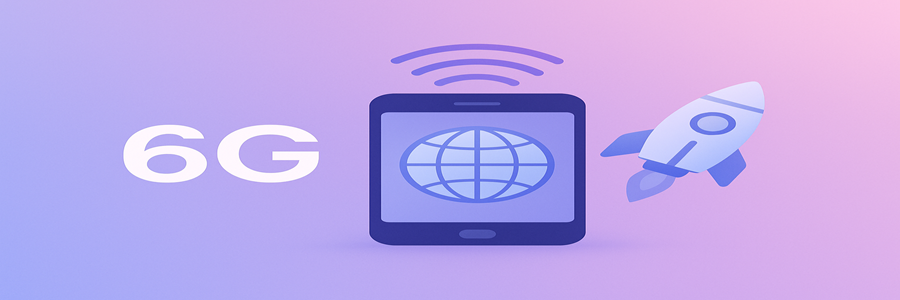
6G, on the other hand, is still a vision. Expected around 2030, 6G isn’t just “faster internet.” It’s about blurring the line between the physical and digital worlds. Think holographic communication, immersive AR/VR so real you’ll forget what’s real, and AI-driven networks that adapt to your needs before you even ask. It’s sci-fi slowly turning into Wi-Fi.
Which one is better?
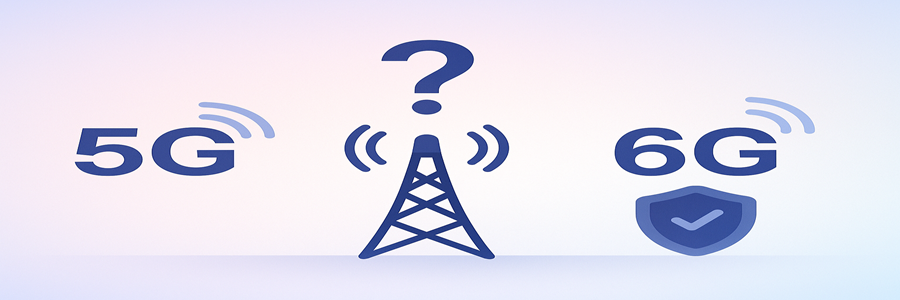
Here’s the tricky part. Comparing 5G and 6G right now is like comparing a shiny Tesla you can actually buy to a concept car that only exists in sketches. Sure, the concept (6G) looks cooler it promises up to 100 times faster speeds, near-zero latency, and the ability to connect everything around you seamlessly. But 5G isn’t outdated. Not even close. It’s the workhorse of today’s connectivity. Autonomous vehicles, smart grids, and advanced healthcare tech, these things run on 5G. Without it, we can’t even pave the road for 6G. So, is 6G “better”? On paper, absolutely. But in practice, for the next several years, 5G is the one actually changing our lives.
5G vs 6G: A Side-by-Side Comparison
Availability
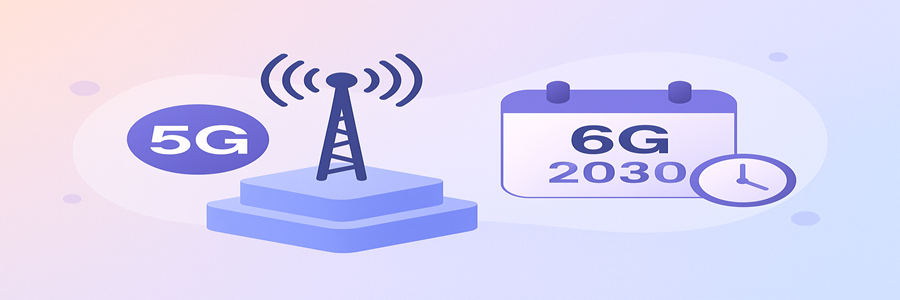
This is where the conversation gets real. 5G is here. Depending on where you live, you’ve probably seen that little “5G” icon pop up on your phone. Some areas have blazing-fast 5G, others just barely see the difference. But the infrastructure is spreading, and in a couple of years, it’ll be as standard as 4G is today. 6G isn’t here yet. Not even close. We’re still in the research phase, with companies and governments testing how it could work. The earliest predictions put 6G rollouts around 2030. And even then, it’ll be a slow, gradual process—like how 4G hung around for years even after 5G showed up. So, if you’re wondering whether you should wait for 6G before upgrading your phone? Don’t. By the time 6G arrives, you’ll probably be on your third or fourth 5G device already.
Conclusion
5G is busy reshaping industries, powering smart cities, and making once impossible tech like remote surgeries a reality. It’s not perfect, but it’s the backbone of today’s digital world. 6G, meanwhile, is the bold promise of the future. A world where holograms replace video calls, where AI weaves through every layer of connectivity, and where the line between real and digital life blurs. This concludes 5G vs 6G, and what do they bring to the table. So are you excited for the 6G revolution? Do let us know in the comments section below. A few years ago, I published a blog about the rise of technology in the 21st century. Check the blog here for more. If you need any help or have any suggestions to make, then do reach out via the contact page here. I also provide services to help you with your issues, which you can find here. Happy Lesotho Independence Day!